Stress is Killing You (Literally)
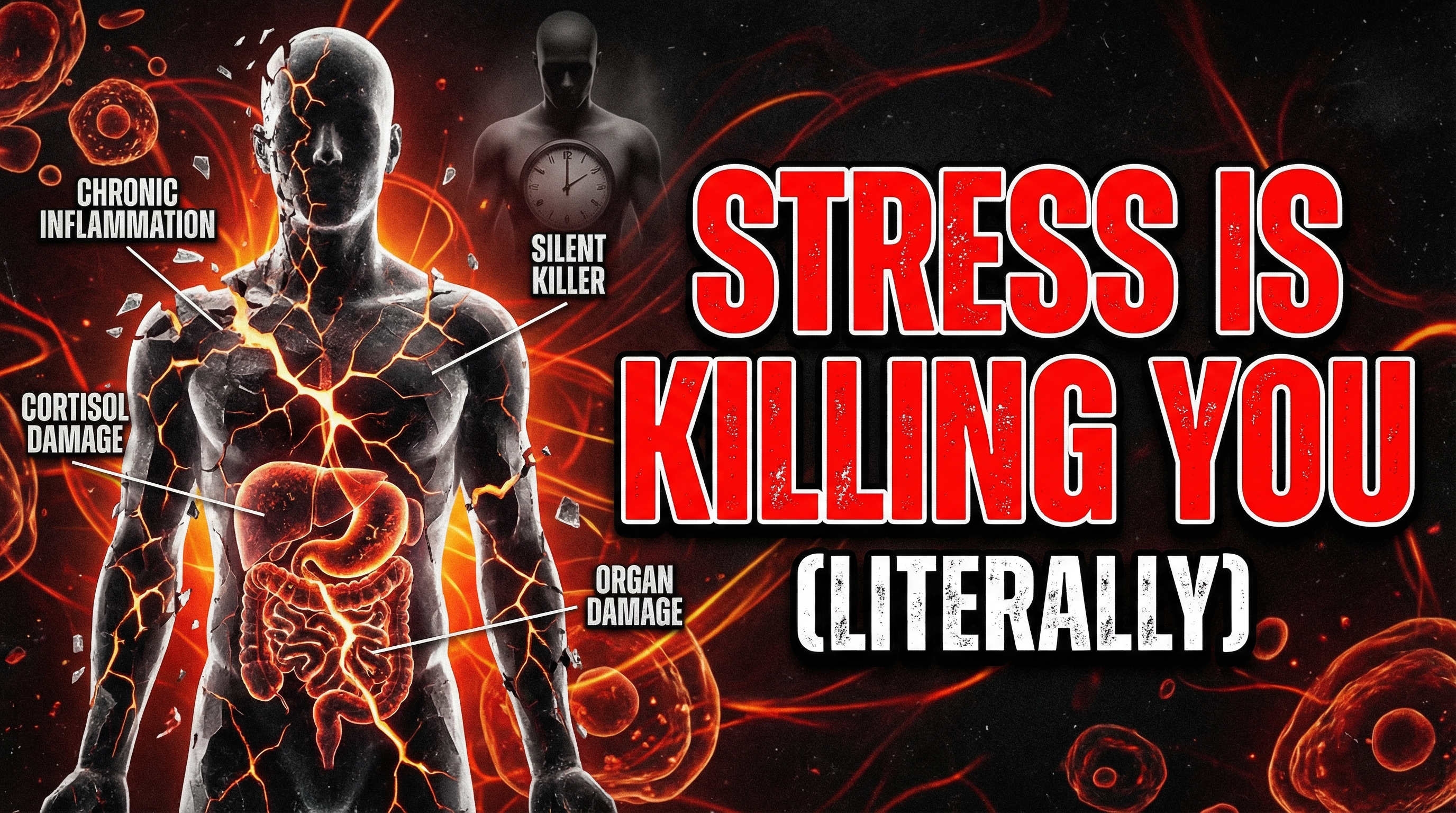
Chronic stress = chronic inflammation = chronic disease. The biology of stress and how your ECS is supposed to manage it.

Full Article
Stress is Killing You (Literally)
You think you’re tough. You think you can handle the pressure. The deadlines, the bills, the screaming kids, the endless notifications… you just power through. You wear your stress like a badge of honor. "I'm so busy," you say, as if it's a competition. Well, congratulations. You're winning a race to the bottom. That chronic stress you're so proud of? It's not just in your head. It's a physical force, a slow-motion car crash happening inside your body, and it's literally killing you.
The Problem: Your Saber-Toothed Tiger is an Email Notification
We've got it all backward. We treat stress as a psychological issue, a matter of mindset or time management. We download mindfulness apps, we try to "think positive," we schedule "self-care" days that just become another item on our to-do list. Bullshit. This isn't about your feelings. It's about your biology.
Every time you feel that familiar tightness in your chest, that clenching in your jaw, your body is being flooded with stress hormones like cortisol. For our ancestors, this was a good thing. It was the "fight or flight" response that helped them escape a saber-toothed tiger. The stress was acute, intense, and then it was over. You either escaped or you got eaten.
Your problem is that your saber-toothed tiger is a 24/7 news cycle, a demanding boss, and a mountain of debt. Your stress isn't acute; it's chronic. And that constant, low-grade activation of your stress response is triggering another, more insidious process: chronic inflammation. Your body can't tell the difference between a predator and a performance review. The biological response is the same.
This isn't weakness. It's a system mismatch. Your ancient hardware is running on modern software, and it's creating a damn dumpster fire.
The Application: Stop "Managing" Stress and Start Adapting
Understanding this system mismatch has been a crucial part of my own journey. After years of dedicated research and personal experience, I’ve gradually learned how to navigate the challenges posed by our ancient hardware trying to run modern software. Through this process, I’ve managed to overcome significant fears and achieve meaningful goals—many of which continue to inspire me today. What follows is a summary of the insights and strategies that helped me adapt and thrive, shared in the hope that this knowledge can ease your path as well.
After thousands upon thousands of hours of research and many years of direct experience, I proudly stand before you today as a fully-functional human being. I have conquered my most daunting fears and have achieved some of my wildest dreams (many of which I'm still fervently pursuing to this day). This course is a summary of what I had to learn along the way to get to where I'm at at this particular instant in time. I share these Truths with you with the hope that foreknowledge may be a gentler teacher than experience has been to me.
This isn’t about eliminating stress. That’s impossible and, frankly, undesirable. A life without stress is a life without growth. This is about building a more resilient system. It’s about improving your ability to flow from one state to the next without getting stuck in an inflammatory rut.
How do you do that? You stop treating the symptoms and start addressing the root cause. You give your ECS what it needs to function optimally. This means looking at your diet, your movement, your sleep, and yes, your relationship with the cannabis plant, which contains phytocannabinoids that can supplement your body's own endocannabinoids.
It’s about shifting your perspective from "fighting" stress to flowing with it.
The Takeaway: Your Anti-Stress Toolkit
Ready to stop the slow-motion car crash? Here are some practical, no-bullshit steps you can take right now to support your ECS and combat chronic inflammation.
- Feed Your ECS: Your body makes endocannabinoids from fatty acids. Ditch the processed crap and focus on healthy fats like those found in avocados, olive oil, nuts, and seeds. Omega-3 fatty acids, in particular, are crucial for both ECS function and fighting inflammation.
- Move Your Body: Exercise is one of the most potent ways to boost your endocannabinoid levels. That "runner's high"? That’s not just endorphins; it’s your ECS at work. You don’t have to run a marathon. Just move. Walk, dance, lift heavy things. Find something you enjoy and do it consistently.
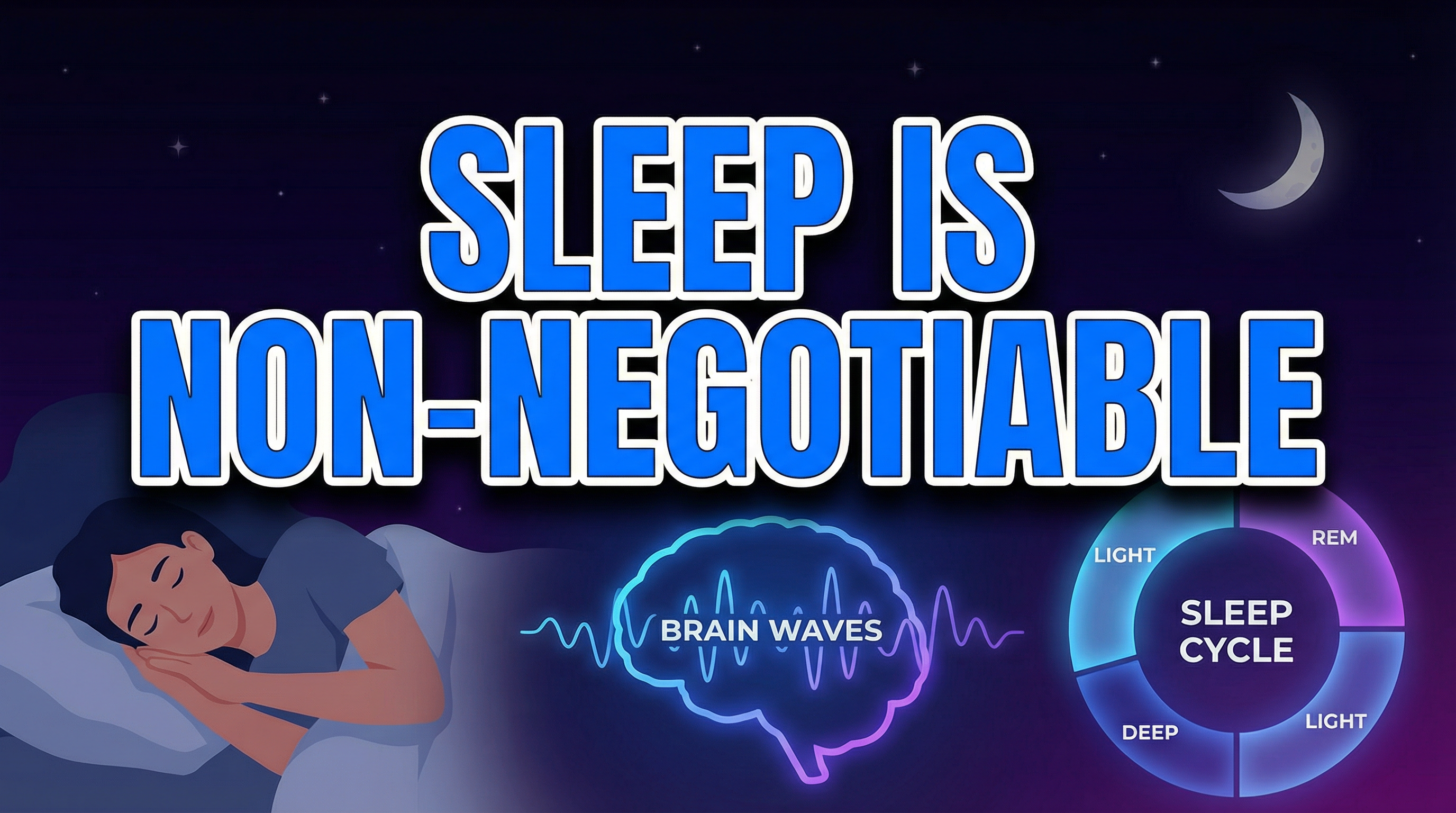
- Prioritize Sleep: Your ECS helps regulate your sleep-wake cycle, and sleep is when your body does its most important repair work. Stop scrolling on your phone until midnight. Create a relaxing bedtime routine. Make your bedroom a sanctuary for sleep. It’s not lazy; it’s essential maintenance.
- Practice Mindful Adaptation: I’m not going to tell you to meditate for an hour a day. But you can practice being present. Take a few deep breaths before you react to a stressful email. Go for a walk in nature without your phone. These small moments of disconnect help reset your nervous system and give your ECS a chance to catch up.
- Consider Cannabinoids: For centuries, humans have used the cannabis plant to promote health. The cannabinoids in the plant, like THC and CBD, interact directly with your ECS, helping to restore balance and reduce inflammation. It’s not about getting high; it’s about giving your body a powerful tool for self-regulation.
Stop being a victim of your own biology. Take control.
Closing
Your life is a far-from-equilibrium system. You are either moving forward, adapting, and creating order, or you are succumbing to entropy and sliding toward decay. There is no middle ground. The past doesn’t exist. The future is unwritten. All you have is this moment and the choice to flow with the arrow of time.
Chronic stress is the anchor holding you back, locking you into a state of inflammation and disease. It’s time to cut the rope. It’s time to support the system that was designed to help you navigate the beautiful, chaotic dance of life.
Stop letting your stress kill you. Start living.
References
[1] Liu, Y. Z., Wang, Y. X., & Jiang, C. L. (2017). Inflammation: The Common Pathway of Stress-Related Diseases. Frontiers in human neuroscience, 11, 316. https://pmc.ncbi.nlm.nih.gov/articles/PMC5476783/ [2] Rohleder, N. (2019). Stress and inflammation – The need to address the gap in the transition between acute and chronic stress-related health effects. Psychoneuroendocrinology, 105, 164-165. https://www.sciencedirect.com/science/article/pii/S0306453018306954 [3] Morena, M., Patel, S., Bains, J. S., & Hill, M. N. (2016). Neurobiological Interactions Between Stress and the Endocannabinoid System. Neuropsychopharmacology : official publication of the American College of Neuropsychopharmacology, 41(1), 80–102. https://www.nature.com/articles/npp2015166 [4] Melamede, R. (2015). The Endocannabinoid System and Medical Marijuana. Vermont Legislature. https://legislature.vermont.gov/Documents/2016/WorkGroups/Senate%20Government%20Operations/Marijuana%20Regulation%20in%20Vermont/W~Robert%20Melamede~The%20Endocannabinoid%20System%20and%20Medical%20Marijuana~11-3-2015.pdf [5] Hill, M. N., & Gorzalka, B. B. (2009). The endocannabinoid system and the treatment of mood and anxiety disorders. CNS & neurological disorders drug targets, 8(6), 451–458.

Comments
Related Articles
Your Body's Operating System
Ho'oponopono: The Thermodynamics of Forgiveness

The Water That Wears Away Stone
Sleep is Non-Negotiable

The Stoned-Out Hippie With a PhD
Want More?
Subscribe to The Forward Look on YouTube to get notified when new episodes drop.
Subscribe