Why Chemotherapy Creates Drug Resistance
Cancer cells exist in different metabolic states. Chemotherapy kills drug-sensitive cells and selects for resistant ones. It's like throwing a pebble in a stream—the stream just flows around it.

Full Article
Editor's Note: Medical Context
This article discusses real phenomena in cancer biology—drug resistance and cancer stem cells—but presents a simplified perspective on chemotherapy. While the limitations described are scientifically recognized, chemotherapy remains a life-saving treatment for many cancers. Treatment decisions should be made with qualified oncologists who can assess individual circumstances. The suggestion that cannabinoids could replace chemotherapy is not supported by clinical evidence.
Fact Check
- Drug resistance from selection pressure: Supported — This is a well-documented phenomenon in oncology.
- Cancer stem cells and treatment resistance: Supported — Active area of cancer research.
- Cannabinoid-induced apoptosis in cancer: Preliminary — Lab studies show promise, but clinical evidence in humans is limited.
- ECS as alternative to chemotherapy: Not clinically validated — No cannabinoid therapy is approved as a cancer treatment.
Here's something that should make you angry: the very treatment designed to kill cancer often makes it stronger.
Chemotherapy is essentially poison. It kills rapidly dividing cells—which includes cancer cells, but also your hair follicles, your gut lining, your immune cells. The hope is that it kills the cancer faster than it kills you.
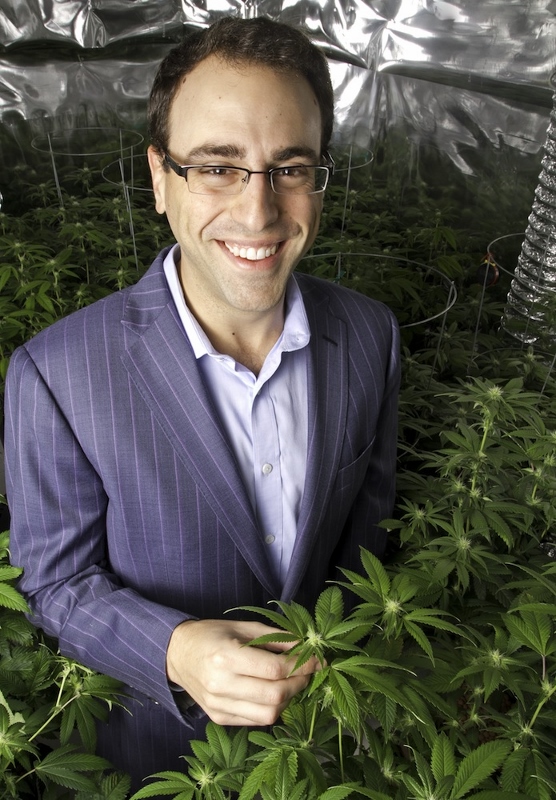
But there's a fundamental problem with this approach, and Dr. Bob Melamede explained it in a way that changed how I think about cancer treatment entirely.
The Selection Pressure Problem
Cancer isn't one thing. A tumor is a diverse ecosystem of cells, each with slightly different mutations, slightly different metabolic profiles. When you hit that ecosystem with chemotherapy, you're applying massive selection pressure.
The chemo kills the sensitive cells. But the resistant ones? They survive. And now they have no competition. They multiply. The next round of chemo is less effective because you've already selected for resistance.
This is evolution happening in real time, inside your body. And we're accelerating it with our treatments.

The Stem Cell Sanctuary
It gets worse. Cancer stem cells—the cells that actually drive tumor growth—are often protected from chemotherapy. They sit in niches, dividing slowly, waiting out the chemical assault. When the chemo stops, they emerge and rebuild the tumor.
This is why so many cancers come back after treatment. You didn't kill the source. You just pruned the branches while leaving the roots intact.
A Different Approach
What if instead of trying to kill cancer with poison, we worked with the body's own regulatory systems? The endocannabinoid system has been shown to induce apoptosis—programmed cell death—in cancer cells while protecting healthy cells.
This isn't about killing cancer. It's about convincing cancer cells to kill themselves. It's working with thermodynamic principles rather than against them.
"You can't poison your way to health. The body has its own mechanisms for dealing with aberrant cells—we just need to support them."
I'm not saying chemotherapy is never appropriate. Sometimes it's the best option available. But we need to understand its limitations and stop pretending that more poison equals better outcomes. The evidence suggests otherwise.

Comments
Related Articles

The Warburg Effect: Why Cancer Loves Sugar

Fat, Fibrosis, and Cancer: The Same Phenomenon

Estrogen, Menopause, and the Fat-Burning Connection
Why Socialism Violates Physics

New Here? Start With The TLDR
Want More?
Subscribe to The Forward Look on YouTube to get notified when new episodes drop.
Subscribe